Floridians Want Affordable Insurance--Misleading Hurricane Tax Ads Aren’t Helping Us.
Floridians deserve the missing context from Donalds and a credible financial plan from Jolly. We deserve answers clear enough to compare—and practical enough to matter when the next insurance renewal arrives.
 connies
Floridians struggling to pay insurance bills deserve clear answers. Instead, they are constantly hearing the alarming campaign message: elect David Jolly, and face a $1,000 annual “hurricane tax.”
For many Floridians already stretched thin, that warning gets their attention. However, the evidence does not establish that yearly charge as a certain result of Jolly’s proposal.
The advertising money is substantial. FOX 13 reported September 28 that Byron Donalds had spent more than $75 million on television advertising. That figure covers television ads overall. It isn’t a verified total for the hurricane-tax ads alone.
It does raise a fair question: What are Floridians getting from all this campaign spending beyond more arguments about bills we already cannot afford?
The hurricane-tax warnings are a recurring message. Donalds’ September 8 ad described a $1,000 yearly cost for each Florida family. His campaign released another television spot, “You Foot The Bill,” on September 23, repeating the warning and saying the cost would apply even when no hurricane makes landfall.
What does the research actually show?
According to PolitiFact’s examination, the cited study analyzed expanded wind coverage through Citizens Property Insurance, not Jolly’s specific proposal. Its $1,000 scenario involved temporary emergency assessments after catastrophic losses exhausted reserves. It did not establish a guaranteed annual charge under Jolly’s plan.
Those missing conditions matter greatly. A possible assessment following a financial disaster is different from a routine tax every family would pay each year.
That does not mean a public hurricane fund would be risk-free. Concentrating Florida’s windstorm risk in one entity could create serious funding problems after devastating storms. The study identified the possibility of larger statewide assessments, along with political pressure over rates and funding. Those concerns deserve careful examination.
Jolly proposes moving hurricane and wind coverage out of the private insurance market and into a state-backed fund. Possible funding sources include taxes on insurers, real-estate transaction fees and tourist-tax revenue. His campaign says coverage would begin only after adequate funding and backup reinsurance were in place. The Legislature would help determine the final funding formula. Jolly’s advertised savings of 60–70% have not been independently established.
Donalds also has an insurance platform. It includes maintaining recent litigation reforms, modifying catastrophe-fund charges, coordinating home-strengthening grants and creating an insurer scorecard. Those proposals should face the same scrutiny: How much will property owners pay to strengthen homes? How would they protect us when a storm strikes? Can they help stop more insurance companies from leaving Florida? Many Floridians do not have room in their household budgets for weather disasters. They need dependable coverage at an affordable price.
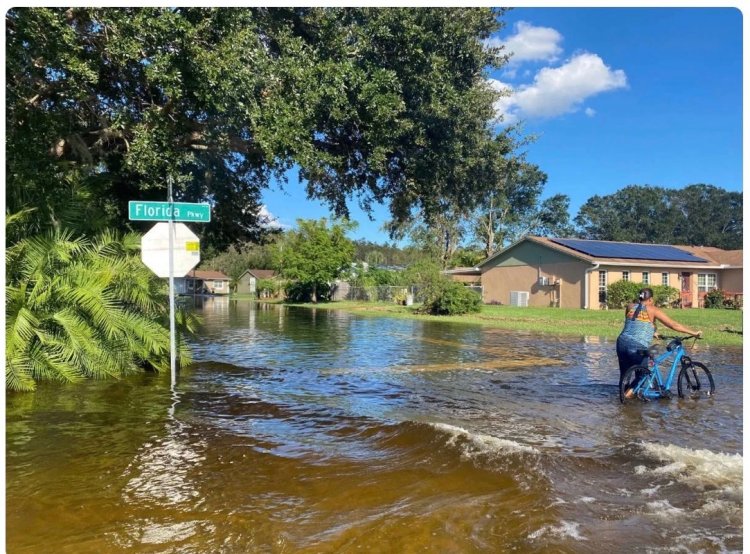
It would also help for both candidates to address flooding and data centers as they relate to land-use and infrastructure challenges. Stronger roofs and windows can reduce wind damage, but they do not keep rising water out of homes. Flood damage generally requires separate insurance, and Jolly’s proposed windstorm fund would not cover it. What will each candidate do to improve drainage, limit development that increases flood risk, and make flood coverage more affordable?
Large data centers can place substantial demands on water, electricity and stormwater infrastructure. Jolly has proposed a statewide moratorium on large AI data centers, while Donalds favors local permitting decisions over a statewide ban. How will each candidate’s approach protect Florida’s water supplies, electric bills, neighborhoods and flood-prone land?
Each candidate has the right to challenge an opponent. It would be helpful to have a public debate. Then, when candidates predict a specific cost, they can explain what studies were examined, the conditions behind the numbers, and answer any other questions asked.
Floridians are hearing the costly ads. They deserve to hear how their homes and budgets will be better protected.
Sources for readers:
- PolitiFact: Examining the $1,000 hurricane-tax claim
- FOX 13: Campaign spending and fundraising
- Florida’s Voice: September 23 hurricane-tax ad
- WUSF: Both candidates’ insurance proposals
- Jolly campaign: Proposed funding sources